
World of Warcraft Knowledge Shaped by Real Play Decisions
Instead of fast takes and surface summaries, this site focuses on explaining what actually changes how you play. Articles look at timing, effort, and results inside the game, helping players understand why certain choices work better across a season and how to avoid common dead ends.
Services
What We Do
We focus on breaking down World of Warcraft into parts that are easier to follow and act on. Content here looks at how updates affect play over time, how systems connect, and where players often lose time or effort. The goal is to replace uncertainty with clear direction so players can plan their progress with fewer mistakes.
Explain Game Changes
We review patches and updates with attention on what actually shifts gameplay, priorities, and weekly routines.
Guide Player Decisions
Our guides help players choose what to focus on, what to delay, and how to avoid common traps during progression.
Support Progress
We create content that helps players stay consistent across a season instead of rushing early or falling behind later.
Counter
What We Achieved
Over time, this site has grown into a trusted place for players looking for clear and reliable World of Warcraft information. Through consistent updates, thoughtful guides, and honest explanations, it has helped players avoid common mistakes, stay on track during busy seasons, and approach the game with more confidence and control.
500+
Written Articles
1000+
M+ Timed
100+
Mythic Raids Cleared
RECENT ARTICLES
Read our blog for the latest on
research & insight
-
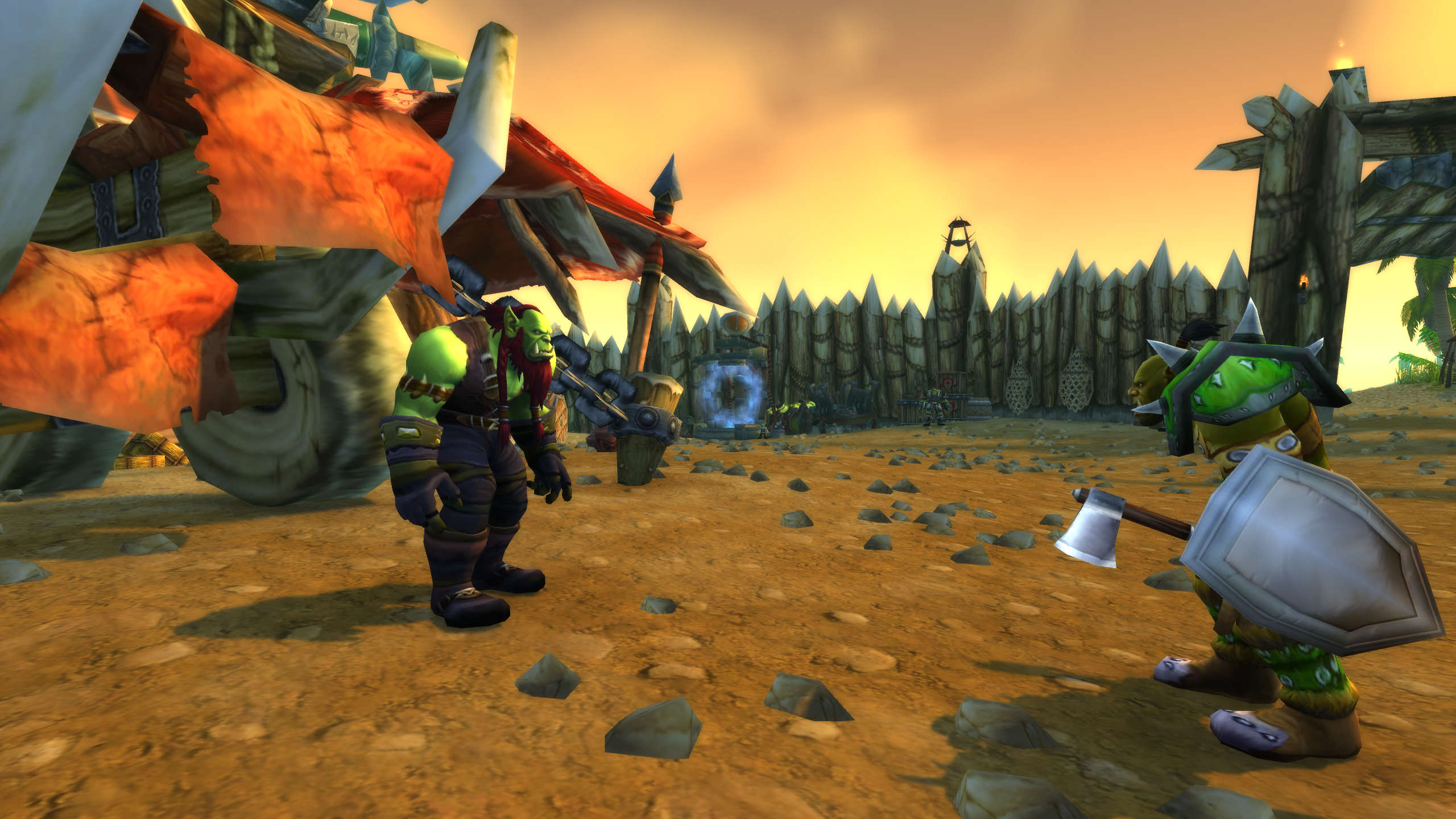
Canceling Auras: When Clicking Off a Buff is Actually the Smartest Play You Can Make
In the high-stakes environment of World of Warcraft, players often find themselves under immense pressure during encounters, whether in raids or Mythic+ dungeons. One often-overlooked aspect of…
-
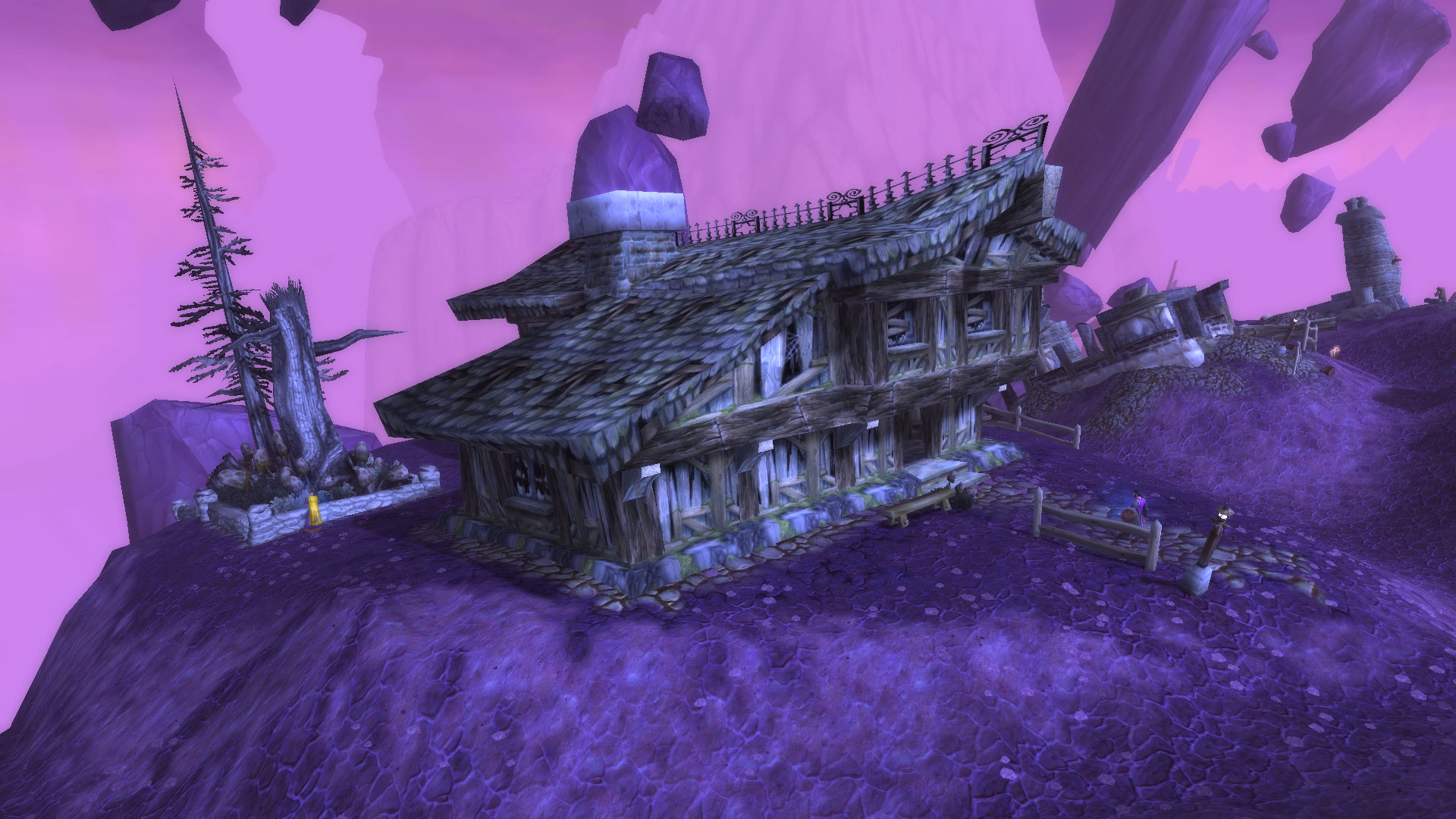
Primal Mana Farming: Mining and Sucking Mana Cells in Netherstorm in WoW TBC – Quick Reference Guide
Primal Mana farming in the Netherstorm is a crucial activity for players looking to maximize their resource acquisition in World of Warcraft: The Burning Crusade. This guide…
-

Ashes of Al’ar: The Story Behind the Most Beautiful Phoenix Mount in World of Warcraft TBC
The Ashes of Al’ar is not just a mount; it’s a symbol of achievement and beauty within the World of Warcraft universe, particularly in The Burning Crusade…
WoW Carry Explained: How Players Manage Progress With Limited Time
Limited Time Has Become the Main Endgame Barrier
For many players in World of Warcraft, time has become a bigger obstacle than difficulty. Endgame systems are built around weekly resets, fixed reward windows, and overlapping activities. Raids, Mythic+ dungeons, PvP, events, and weekly objectives all demand attention at the same time. Even players who understand mechanics and play well often struggle to keep up simply because their available hours are limited.
Modern progress expects regular participation. Missing one or two sessions can slow gear upgrades, reduce group access, or delay score growth. These effects stack quickly. A player who falls behind early may face stricter group requirements later, even if their skill level has not changed. The issue is not performance but availability.
Limited time also affects consistency. Players may log in with clear goals but leave without progress due to group delays, failed runs, or scheduling conflicts. Over weeks, this leads to frustration and stalled progress. Many players reach a point where effort no longer matches results.
WoW carry services appear in this environment as a response to time pressure. They allow players to secure progress during weeks when normal play is not possible. This does not replace engagement with the game. It helps players stay aligned with seasonal expectations despite limited schedules. As time becomes the main barrier, carry use shifts from a rare option to a practical planning tool.
Missed Sessions Have Long-Term Impact
Skipping a few play sessions may seem harmless, but in modern endgame play, the impact lasts longer than many expect. Weekly limits mean that missed opportunities cannot always be recovered later. A skipped raid lockout or unused dungeon chance reduces total progress across the season.
These gaps affect more than gear. Group access often depends on visible progress such as score or recent clears. Falling behind early can lead to longer wait times, fewer invites, and higher entry barriers. Even when players return with motivation, they may find fewer options available.
Missed sessions also affect morale. Players who feel behind often push harder later, leading to rushed play and burnout. Instead of enjoying content, they focus on catching up. This pattern repeats each time time is lost, creating stress around play schedules.
WoW carry services help reduce the damage caused by missed sessions. Players use them to secure key goals when normal play time drops. This keeps progress stable and prevents long recovery cycles. Rather than spending weeks fixing gaps, players maintain alignment with the season.
By limiting the long-term impact of missed sessions, carry use supports steady engagement. Players stay active without feeling punished for real-life priorities. This is a major reason why carry services are included in progress planning for players with limited time.
WoW Carry Turns Time Gaps Into Planned Results
Uncertainty is one of the biggest challenges for players with limited schedules. Logging in without knowing whether progress will happen often leads to longer sessions and frustration. Players stay online hoping the next group works, even when time is short.
WoW carry replaces this uncertainty with planning. Players choose specific goals and complete them within a defined time frame. Progress becomes predictable. This allows players to plan weeks in advance instead of reacting to missed opportunities.
Turning time gaps into planned results changes how players approach the game. Instead of stacking risky activities, they secure progress first and use remaining time freely. Some focus on alts, others on casual play or social content. The game feels less demanding and more flexible.
Planned results also reduce stress tied to resets. Players no longer feel forced to log in at specific times or extend sessions late into the night. Knowing that progress is secured allows them to step away without falling behind.
WoW carry does not remove gameplay. Players still take part in content they enjoy. It reshapes how effort is applied. For players with limited time, this control is essential. It allows them to stay involved across a season without constant pressure, making carry use a practical part of modern progress management.
Progress Planning Replaces Trial and Error
As endgame systems place more pressure on weekly results, players with limited time move away from repeated attempts that may fail. Trial and error costs hours, and the cost is highest during short reward windows. One failed evening can erase an entire week’s chance to move forward.
WoW carry supports a planning-first approach. Players decide what must be completed during a reset and lock those goals in early. This removes the need to gamble on group quality or hope that several runs finally succeed. Progress becomes something players schedule rather than chase.
Planning also changes how players think about effort. Instead of pushing through fatigue or frustration, they place effort where it counts most. This keeps play sessions shorter and more focused. Time saved is not spent recovering losses but used by choice.
Below is a planning outcome table that shows how approaches differ once planning replaces trial runs.
| Progress Area | Trial-Based Play | Planned With Carry |
|---|---|---|
| Weekly Goal Clarity | Unclear | Defined |
| Time Spent Per Goal | Variable | Fixed |
| Failure Recovery | Required | Minimal |
| Schedule Control | Low | High |
| Overall Stress | High | Reduced |
This shift helps players keep progress steady without forcing long sessions or repeated frustration.
Carry Use Changes How Players Choose Content
Once key goals are secured, players gain freedom in how they use remaining time. Instead of feeling locked into recovery runs, they choose content based on interest rather than pressure. This is one of the biggest changes caused by carry use.
Players often split their play time differently after securing progress. Some enjoy leveling alts, others explore older content, and some focus on social play. Progress stops being the only reason to log in.
Here is a choice-based list that shows how players commonly adjust their time after key goals are complete. This list reflects behavior, not priority.
• Playing alternate characters without urgency
• Joining friends for relaxed sessions
• Exploring non-seasonal content
• Managing crafting or economy goals
• Taking breaks without losing ground
This freedom helps prevent burnout. Players no longer feel forced to choose between progress and enjoyment. Carry use supports this balance by removing pressure from limited time windows.
Group Dependence Is Reduced
Group timing is one of the hardest limits for players with restricted schedules. Even skilled players struggle to align with others who share the same free hours. This mismatch often slows progress more than difficulty itself.
WoW carry reduces reliance on group availability for key goals. Players no longer need to wait for perfect timing or stable rosters to stay on track. Instead, they secure progress through planned sessions and use normal play for learning or casual runs.
This change also affects social behavior. Players join groups because they want to, not because they must. Group play becomes more relaxed and enjoyable when progress pressure is removed.
Reducing group dependence helps players stay active across a full season. They are less likely to drop out after setbacks and more likely to return after breaks. Carry use supports consistency by removing blocks tied to timing rather than ability.
For players managing limited time, this control makes long-term play possible. Progress stays aligned with seasonal goals, and gameplay remains enjoyable instead of stressful.