
When Blizzard launched World of Warcraft Classic in 2019, many expected it to be a brief nostalgia trip—a temporary return to the “good old days.” Instead, it became a thriving ecosystem, sustaining millions of players across multiple re-releases and even new classic expansions. Clearly, something deeper drives Classic’s success than mere nostalgia.
This article examines what truly fuels the enduring appeal of Classic servers, from community culture and mechanical depth to emotional continuity and the pursuit of mastery.
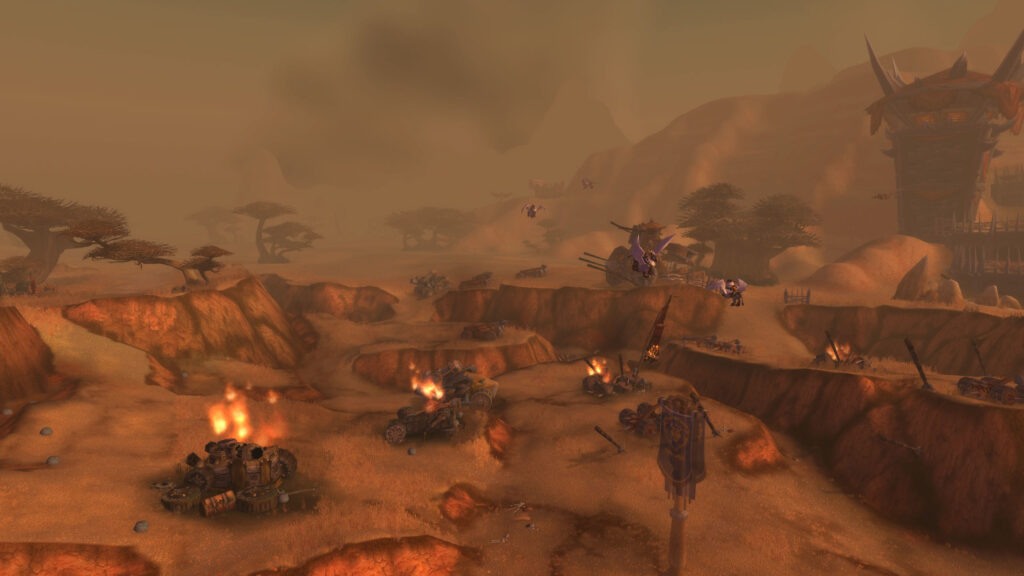
The Myth of Nostalgia as the Only Factor
It’s easy to assume Classic’s success rests purely on memory—players reliving their first dungeon, their first guild, or their first mount. But nostalgia fades quickly; commitment doesn’t. The consistent engagement of Classic communities years after launch shows that players stay for design philosophies modern WoW abandoned: difficulty, cooperation, and permanence.
Classic offers something modern expansions often lack—a sense of progression grounded in community, not convenience. Players earn reputations slowly, forge real friendships, and feel their choices matter. This design philosophy creates investment beyond aesthetics.
Mechanical Depth and Player Agency
Classic WoW forces decisions. Talent trees aren’t flexible—they’re commitments. Crafting professions matter. Travel takes time. These deliberate constraints foster agency by making every choice meaningful. When you see someone with epic gear, you know the effort behind it. The rarity of reward amplifies satisfaction.
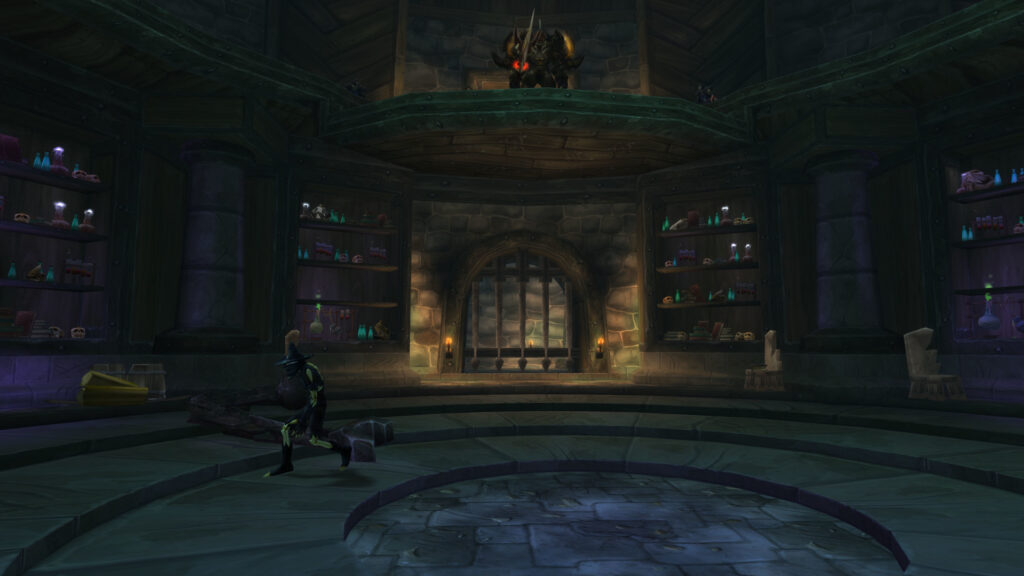
Modern expansions streamlined too much in the name of accessibility. Classic’s systems, though slower, are rewarding precisely because they respect time investment. It’s not about grinding—it’s about ownership.
Community-Driven Worldbuilding
In Classic, players build their own narratives. Raids rely on coordination, guild identity shapes social fabric, and server reputations define public life. Your name carries weight. A single ninja-loot scandal can make or break your standing. That accountability revives something lost in modern matchmaking: consequence.
Classic communities recreate the MMO experience as social theatre. Chat channels become marketplaces, taverns host roleplay events, and players act as historians, preserving stories long forgotten in the retail version. Azeroth feels alive not just because of content, but because of its citizens.
The Psychological Draw of Earned Progress
One of the strongest motivators in Classic is the satisfaction of incremental progress. You grind not for RNG loot boxes, but for tangible goals. The design celebrates patience and perseverance. When you complete an epic mount quest or craft an item after weeks of farming, it feels like triumph, not transaction.
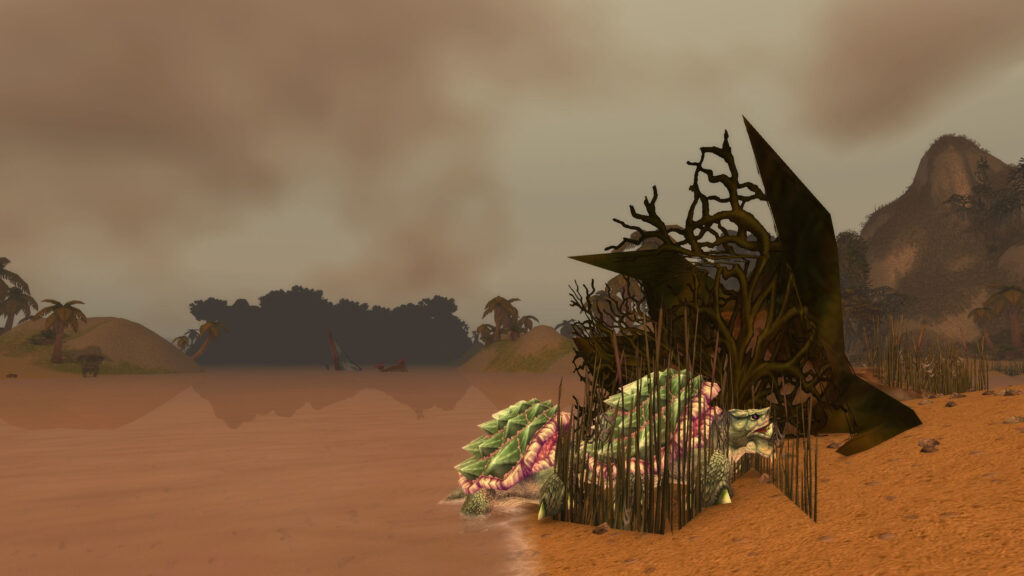
This structure reinforces the feeling of journey over outcome—an emotional loop modern gamers crave amid fast content cycles. The process becomes memory; the reward becomes legacy.
Comparing Classic and Modern WoW at a Glance
The following table highlights the core differences driving Classic’s distinct appeal:
| Feature | Classic Servers | Modern WoW |
|---|---|---|
| Character Progression | Slow, deliberate, community-driven | Streamlined, fast-paced, personal |
| Player Interaction | Server reputation and cooperation | Cross-server anonymity and matchmaking |
| Difficulty | High, with punishing group content | Adjustable and forgiving systems |
| Economy | Player-driven, resource scarcity | Inflated markets and automated trading |
| World Design | Exploration and immersion-focused | Objective-based and convenience-led |
These contrasts explain why Classic thrives. It’s not a copy of the past—it’s a living alternative philosophy of play.
The Social and Emotional Core of Classic
Classic’s true strength lies in its communities. Raids, world PvP, and guild events become shared stories rather than checklists. When players band together for a multi-hour dungeon crawl or rare spawn camp, bonds form through struggle. These memories persist because they’re earned collectively, not handed out automatically.
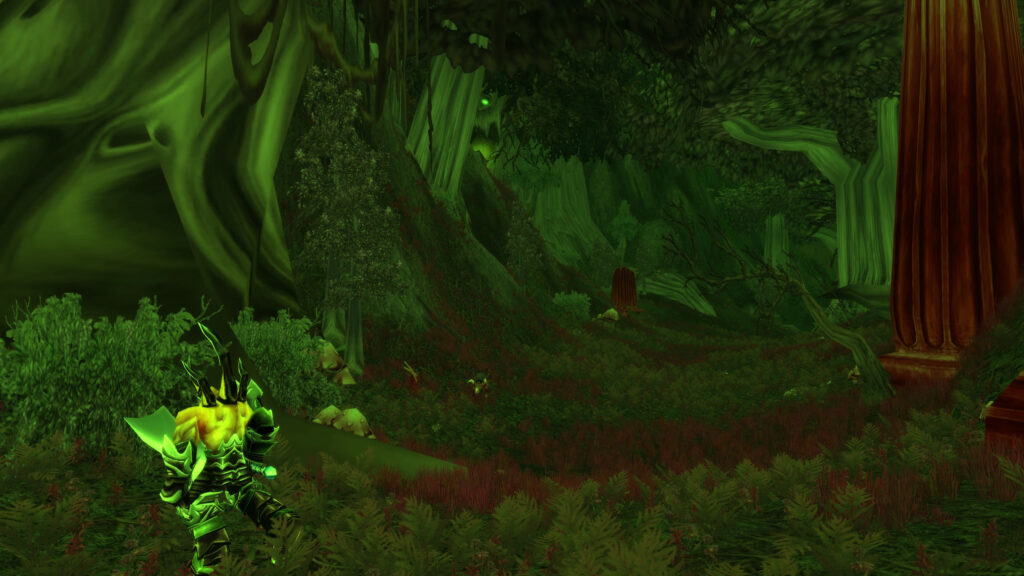
Modern games may simulate social features, but Classic makes them essential. You don’t just *play* Classic—you live it with others.
Conclusion
Classic servers endure because they offer more than nostalgia—they offer purpose. They remind players that patience, collaboration, and mastery still matter. In a digital age built on convenience, Classic’s slower rhythm feels radical—a return to earned satisfaction and lasting memory.
As long as players crave meaningful effort and shared identity, Classic will never truly be “old.” It’s not the past revived—it’s the spirit of MMORPGs reborn.
Leave a Reply